Fashion Meets Sustainability: Ferragamo Museum Tour
The Salvatore Ferragamo Museum displayed luxury shoes and garments while tying in an aspect of sustainability. I found it very interesting that all their exhibits and displays were recyclable. They are either made of recyclable goods or are given to another exhibit after they have used them. When we first arrived, there was a cloud of colored straws above our heads made by a famous artist. This cloud was meant to represent the impending destruction of our planet while the colors represented the hope we have to change this future. The shoe exhibit showed off a selection of shoes made by Ferragamo. One of his most legendary designs was a pair of heels with an F-shaped heel and transparent straps made from fishing wire. The last room showed off pieces and fabrics that are sustainable and used in Ferragamo’s clothing and shoes. The long, hanging denim patchwork piece stood out to me the most.
Artisans of all Trades: Artisans of Florence Walking Tour
On the other side of the bridge, we got to explore multiple small shops that sold artisans’ work. The poor used to live here, so the streets and alleys are very small. Now, this side of the bridge is trendier and more authentic than the other side. It is labeled as a place for hipsters. Artisans began opening here because it was too expensive on the other side and they could not easily bring a car either.
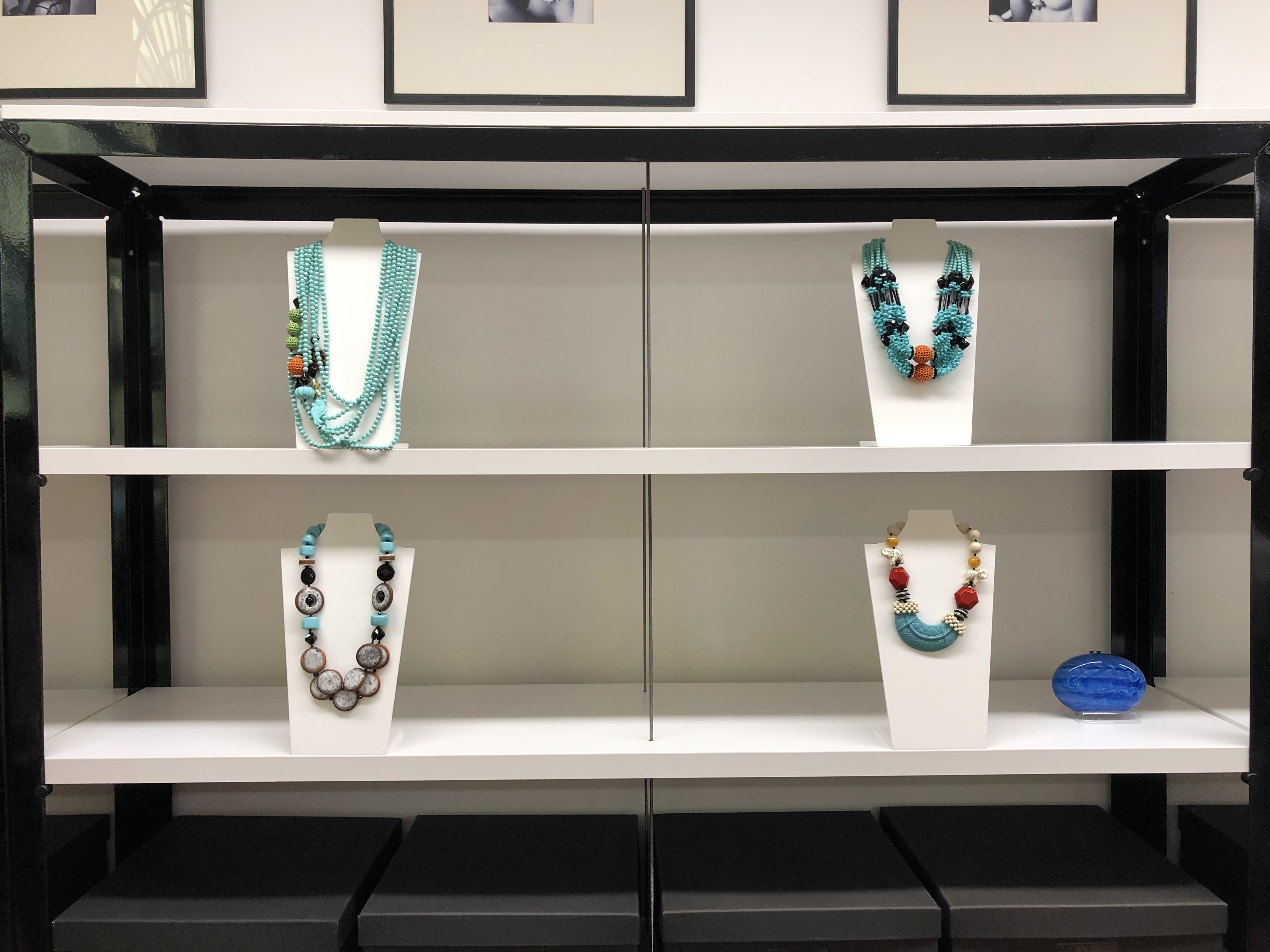
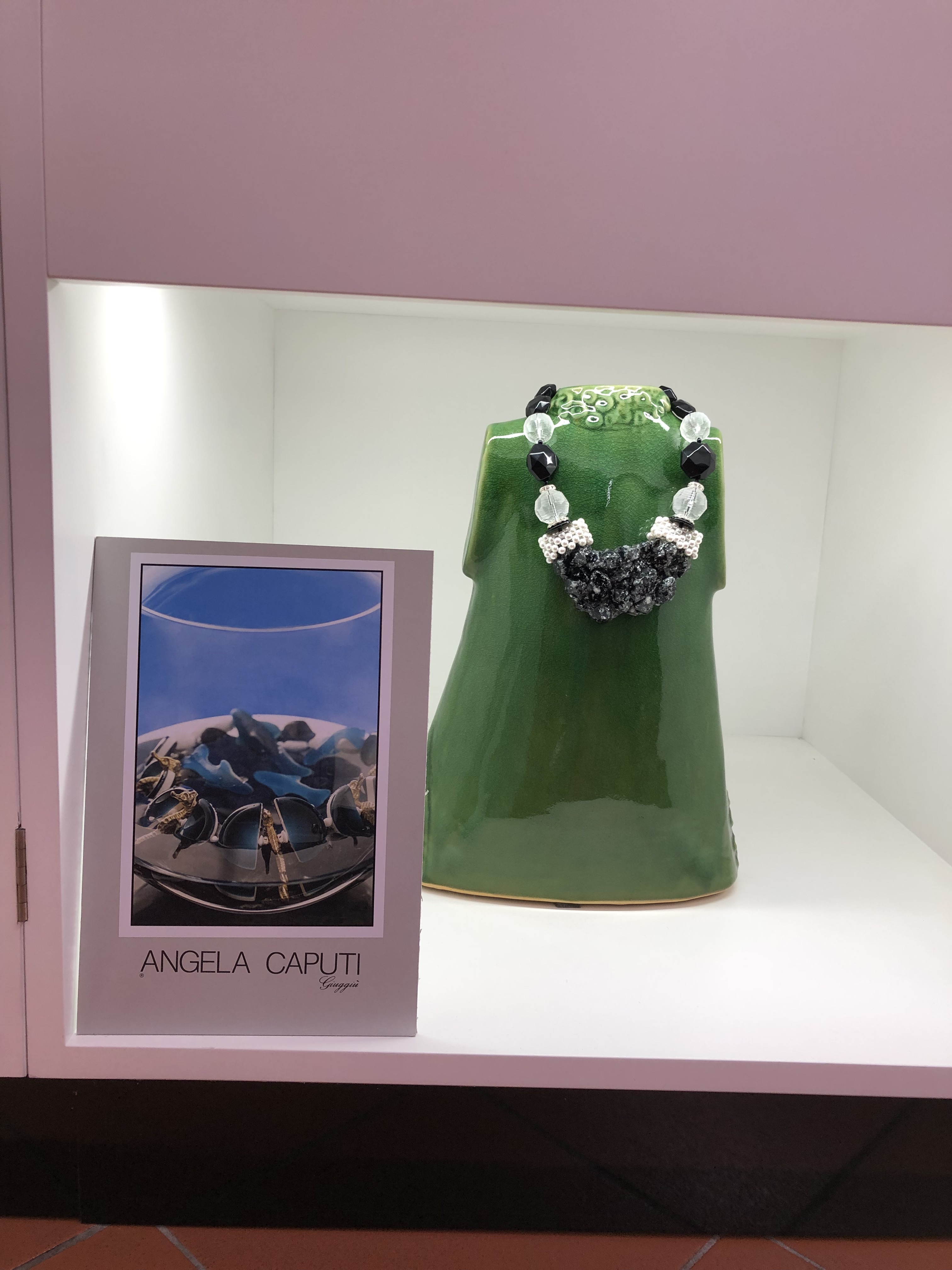
Our first stop was Angela Caputi. She is a modern designer of jewelry inspired by nature. Below are a few examples of her work. I think some pieces looked cheap while others looked like masterpieces. I found it very strange that our tour guide was the only person shopping and bought a pair of earrings.
I enjoyed the shoe store we went to the most. I do not recall the name of the brand, but it was very high end. They sold men’s shoes for high prices and made custom pairs as well. The shapes and soles were unique and they had a lot of cool colors on display. I was shocked to hear that pairs can be up to $6,000!
Superb Shopping and Fashion: Como and Milan
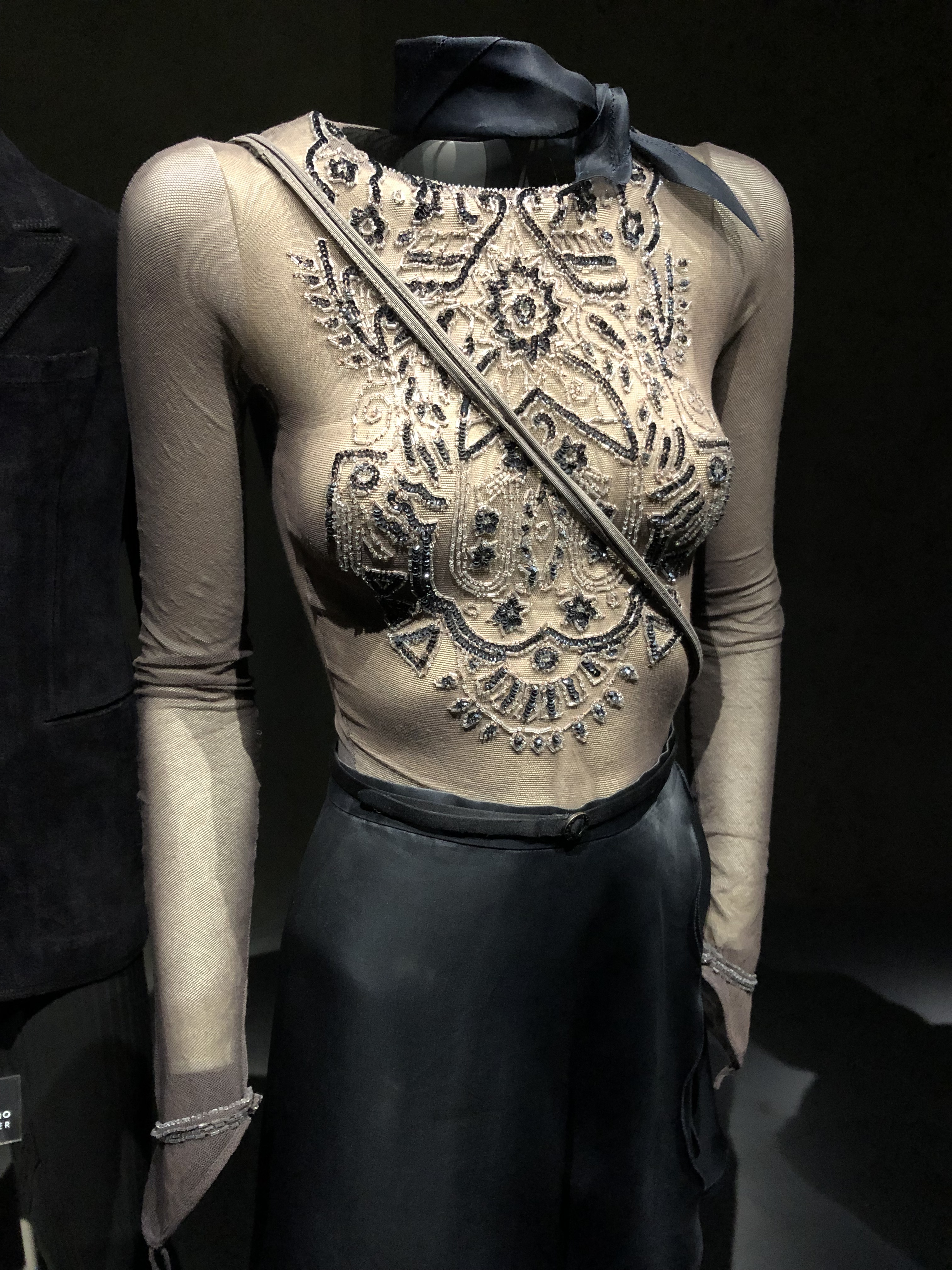
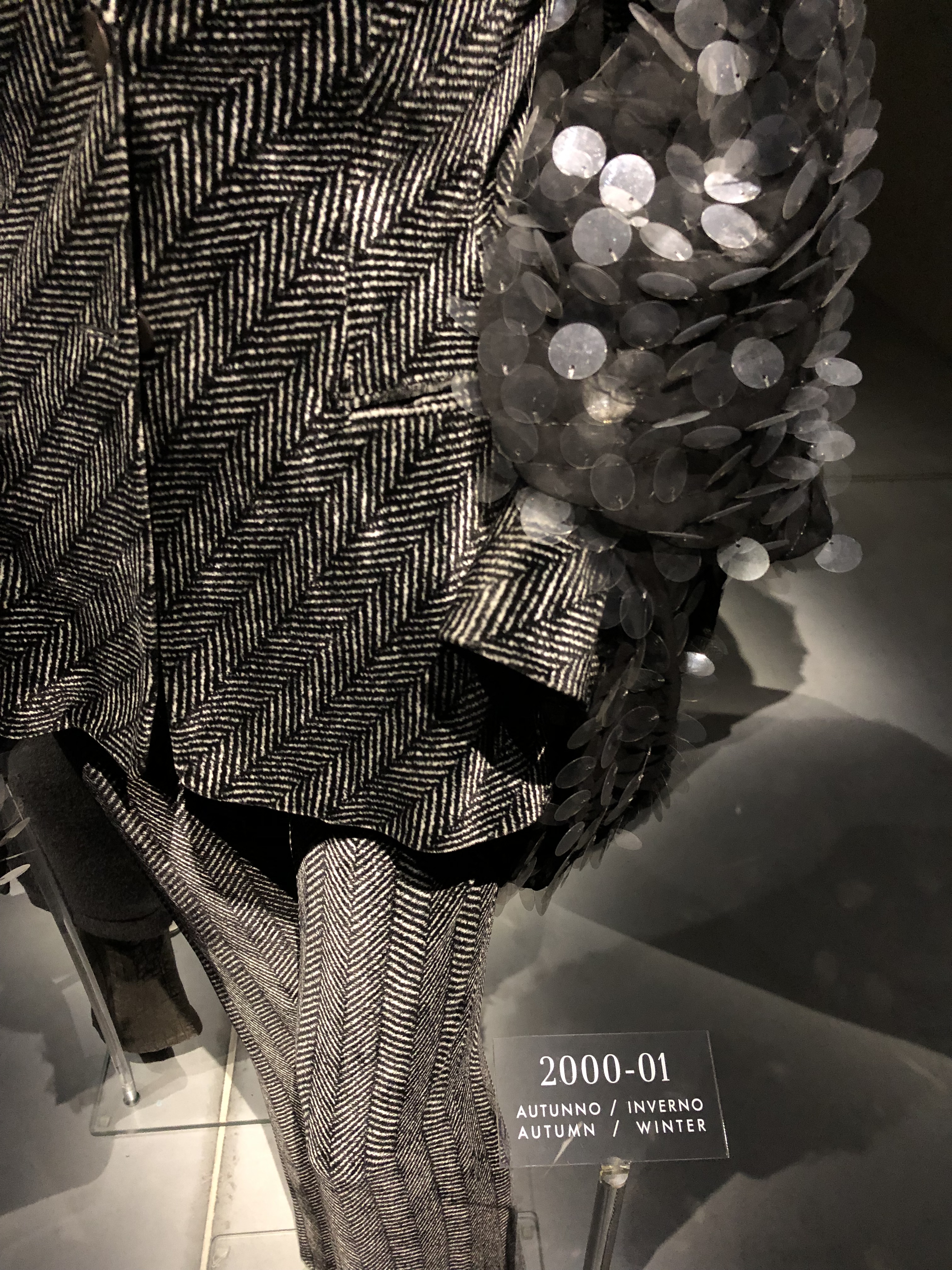
If I were to live in Italy at one of the places I have visited, I would easily choose Milan. On our trip, we visited the Armani Museum. We got to see decades of different pieces and styles. Below are a few of my favorite!
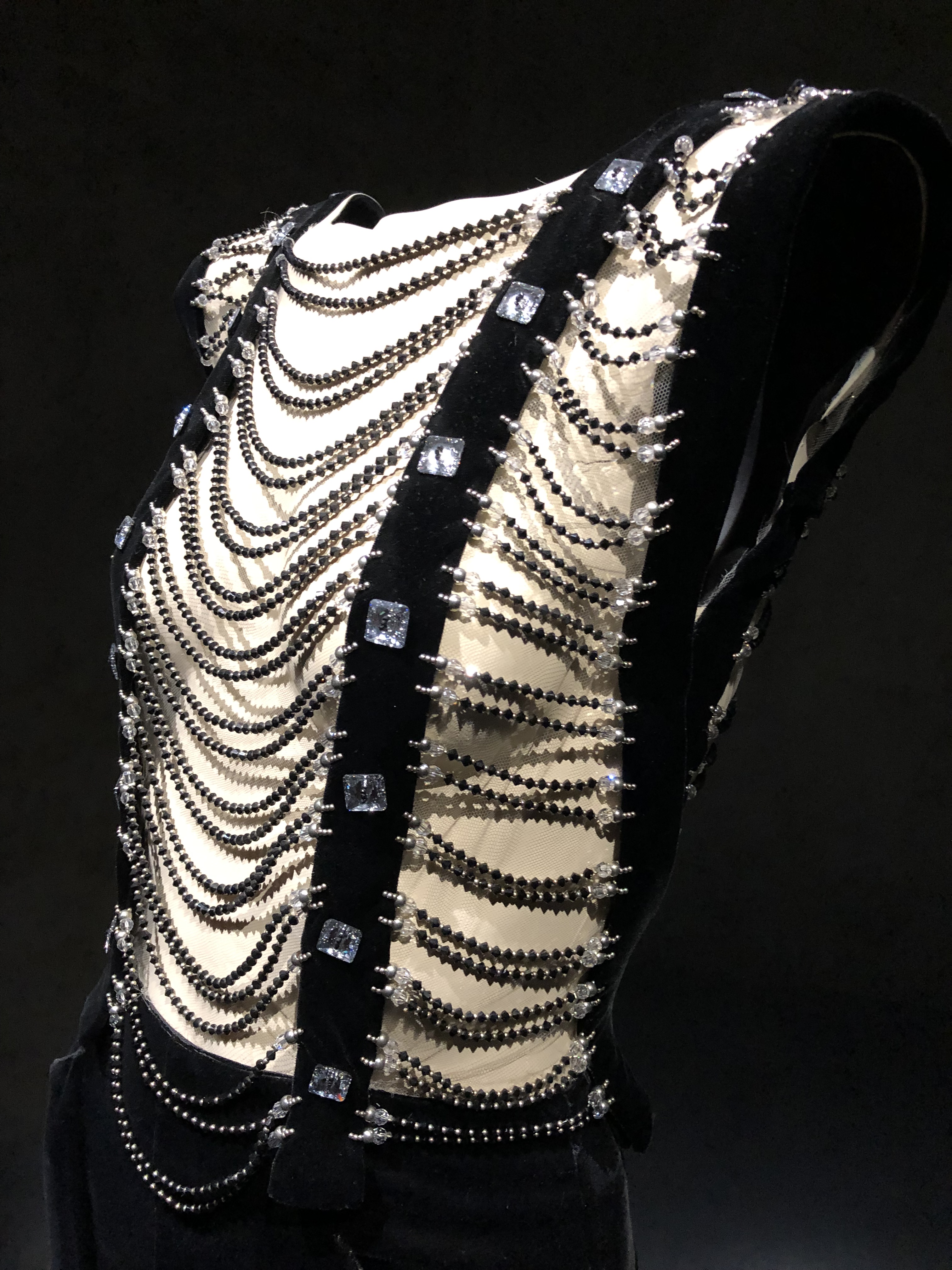
Back to why Milan is my favorite city. We went on a shopping tour and got to explore different designer shops. Living in a fashion capital is a dream, but would be very bad for my wallet. Not only did I love the unique styles Italy had to offer, but the architecture and plants throughout Milan made the city even better.
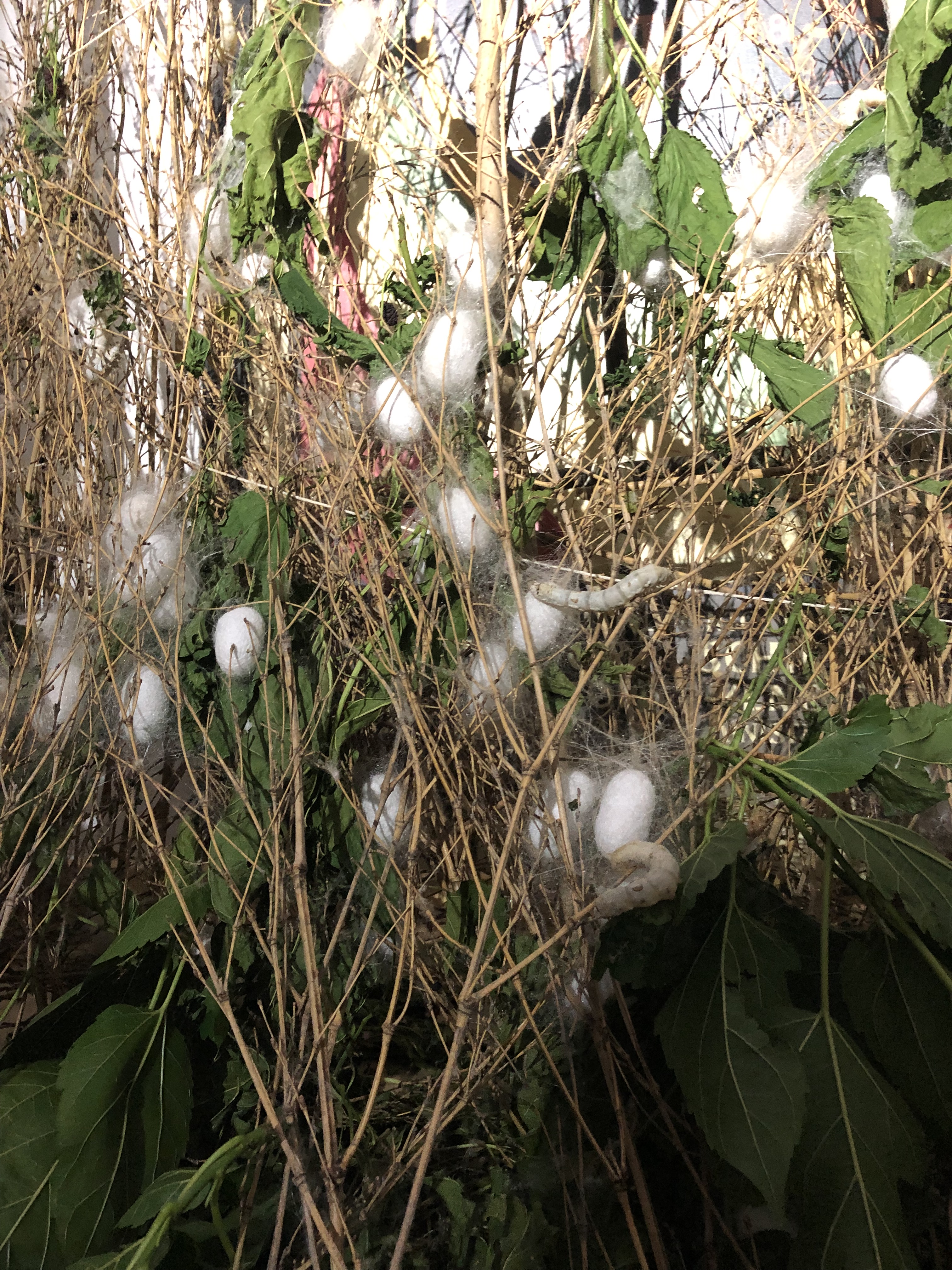
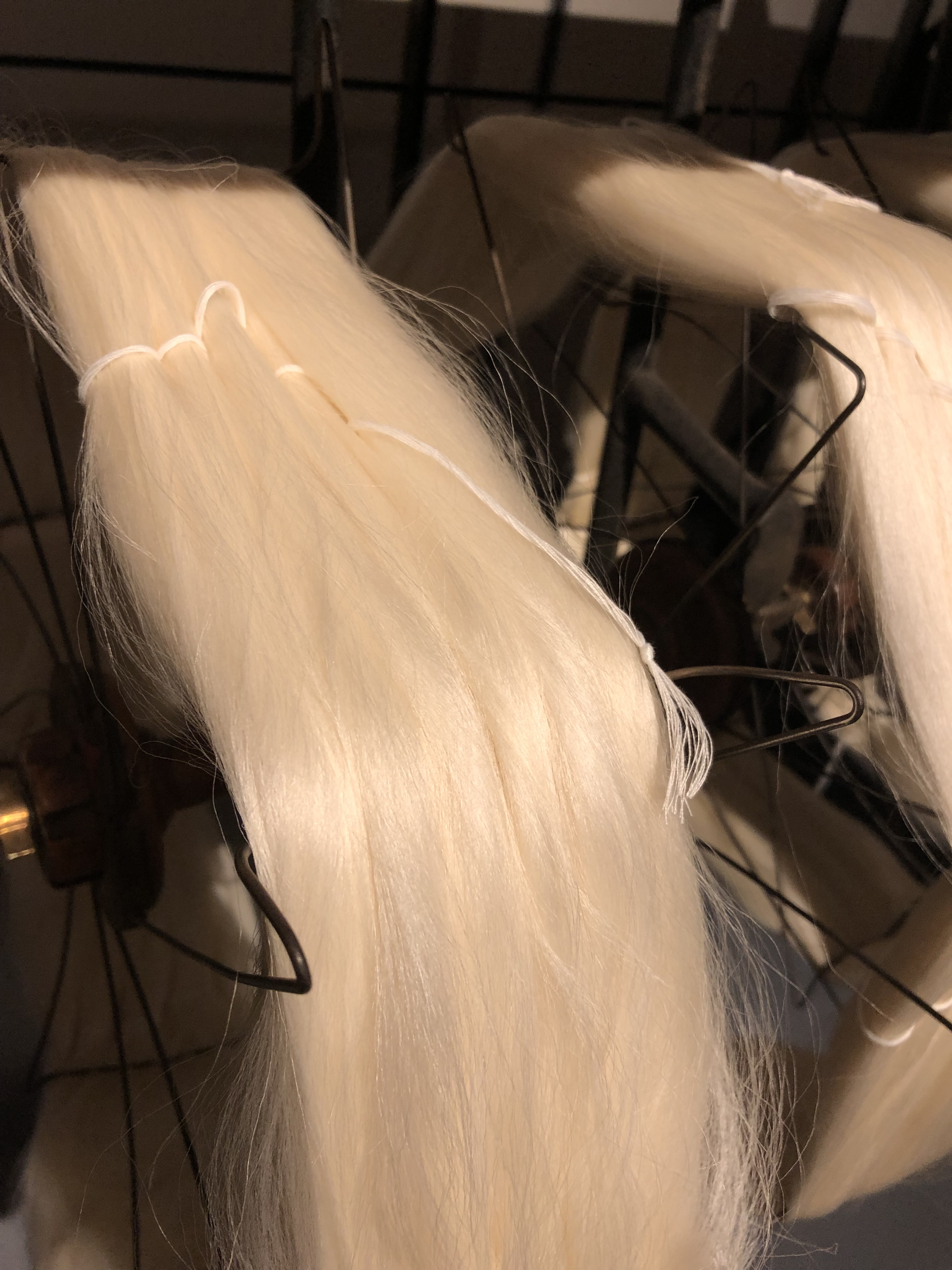
While in Como, we visited a silk museum where we learned about the silk making process. I was unaware of how the silk worms wrapped a cocoon like ball of silk. They also die shortly after this process when they become a butterfly. It was interesting to learn about how these thin silk strands were combined to make thread. It took about 6 strands to be twisted into thread. The dying process came next and the making of prints. These silks were often worn by the rich and famous.
Plaids and Prints at Pitti: The Palazzo Pitti and the Bobili Gardens
At Palazzo Pitti, we explored an exhibit with a wide variety of mens clothing. It included formal wear, edgy pieces, and winter coats. I was surprised by the amount of older styles that are now relevant again today. Here are some of my favorites:
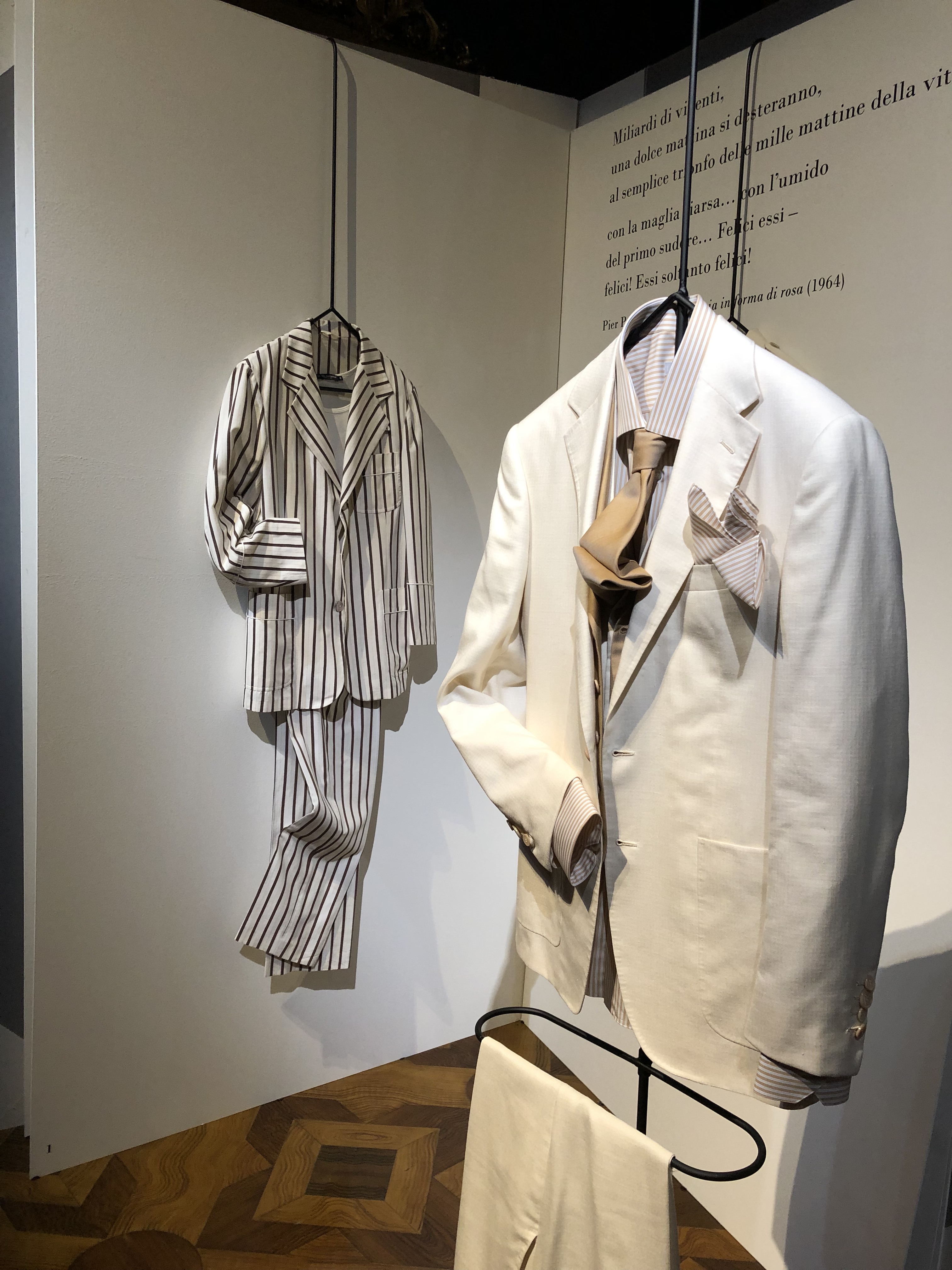
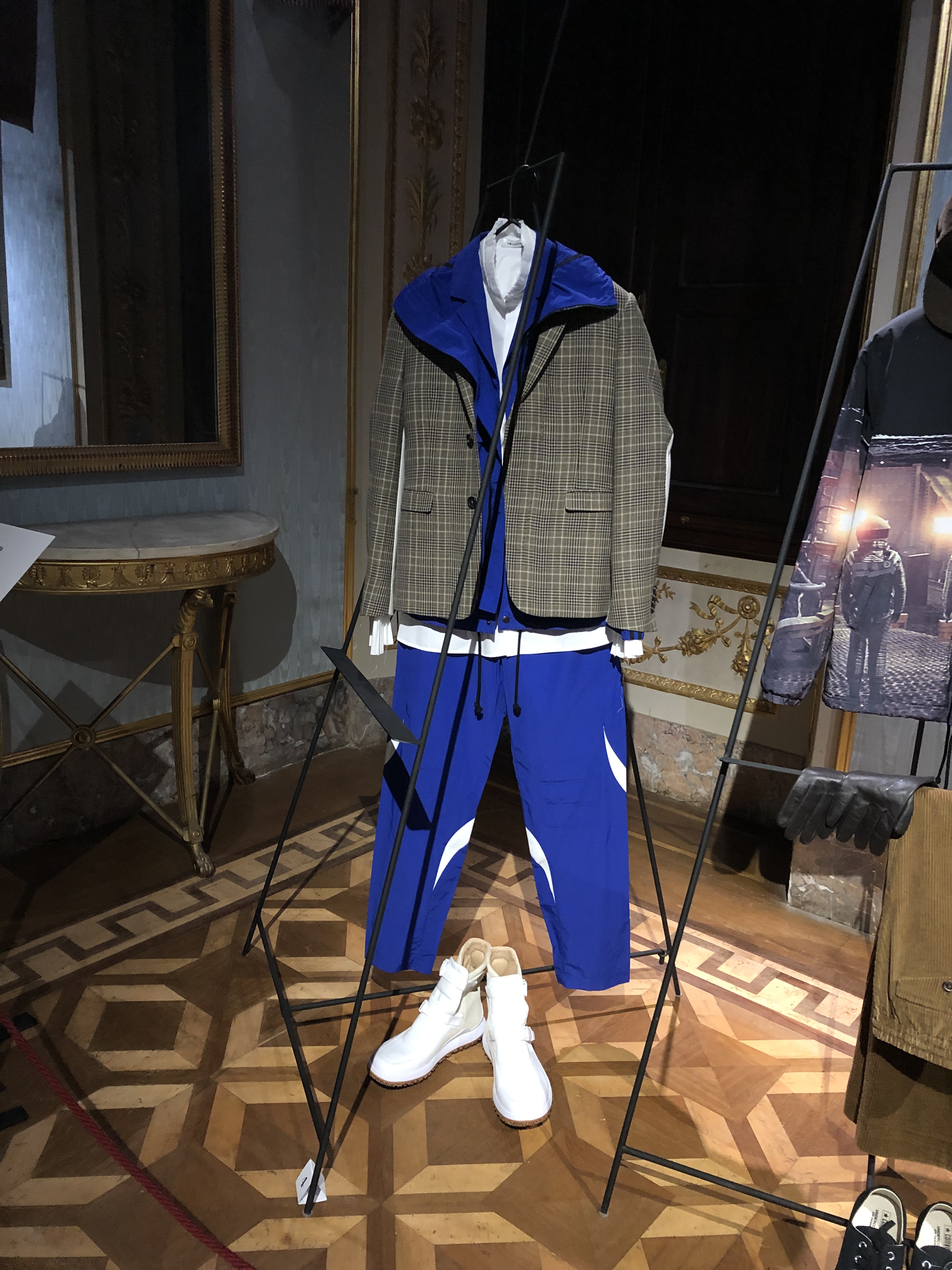
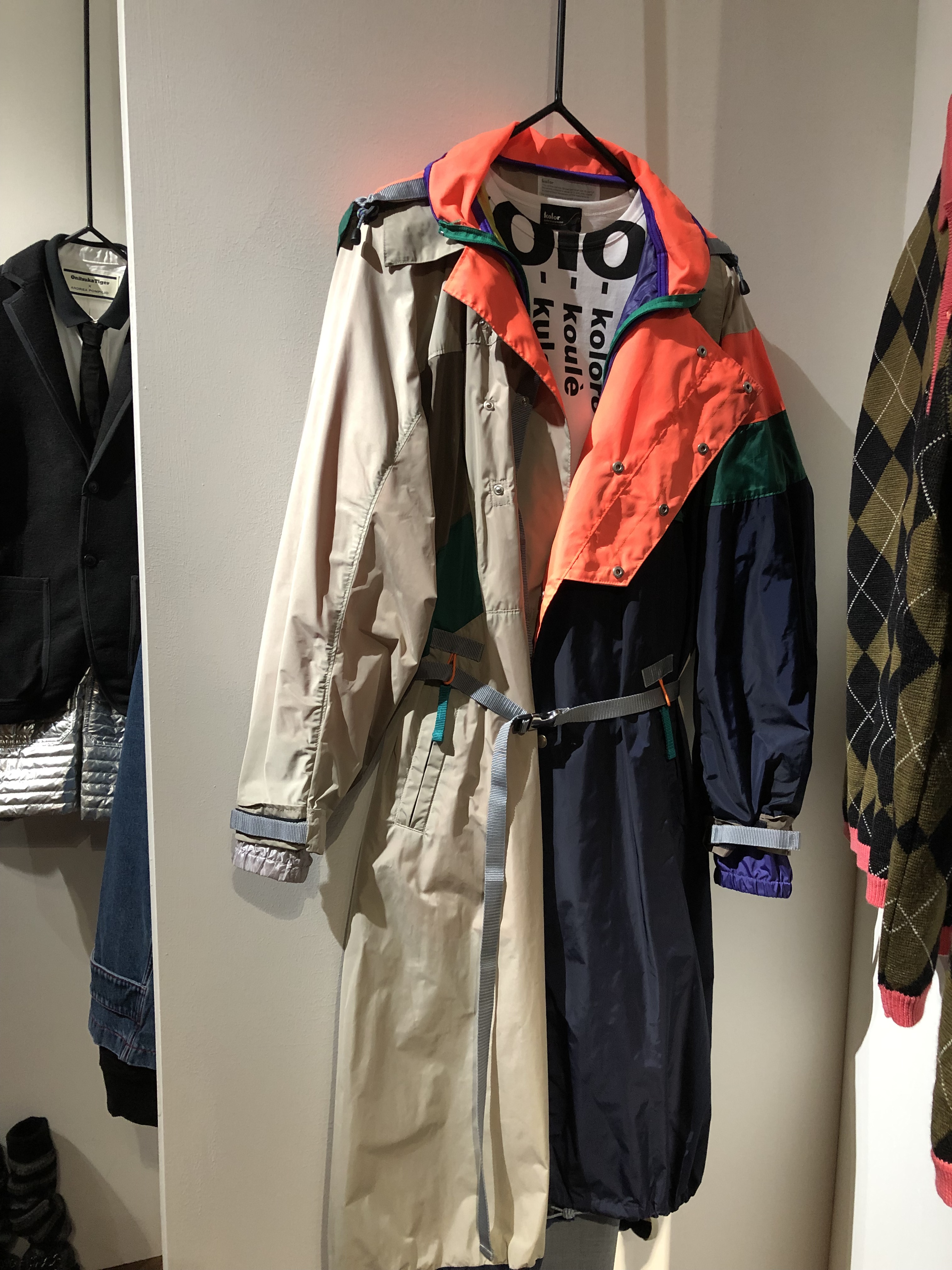
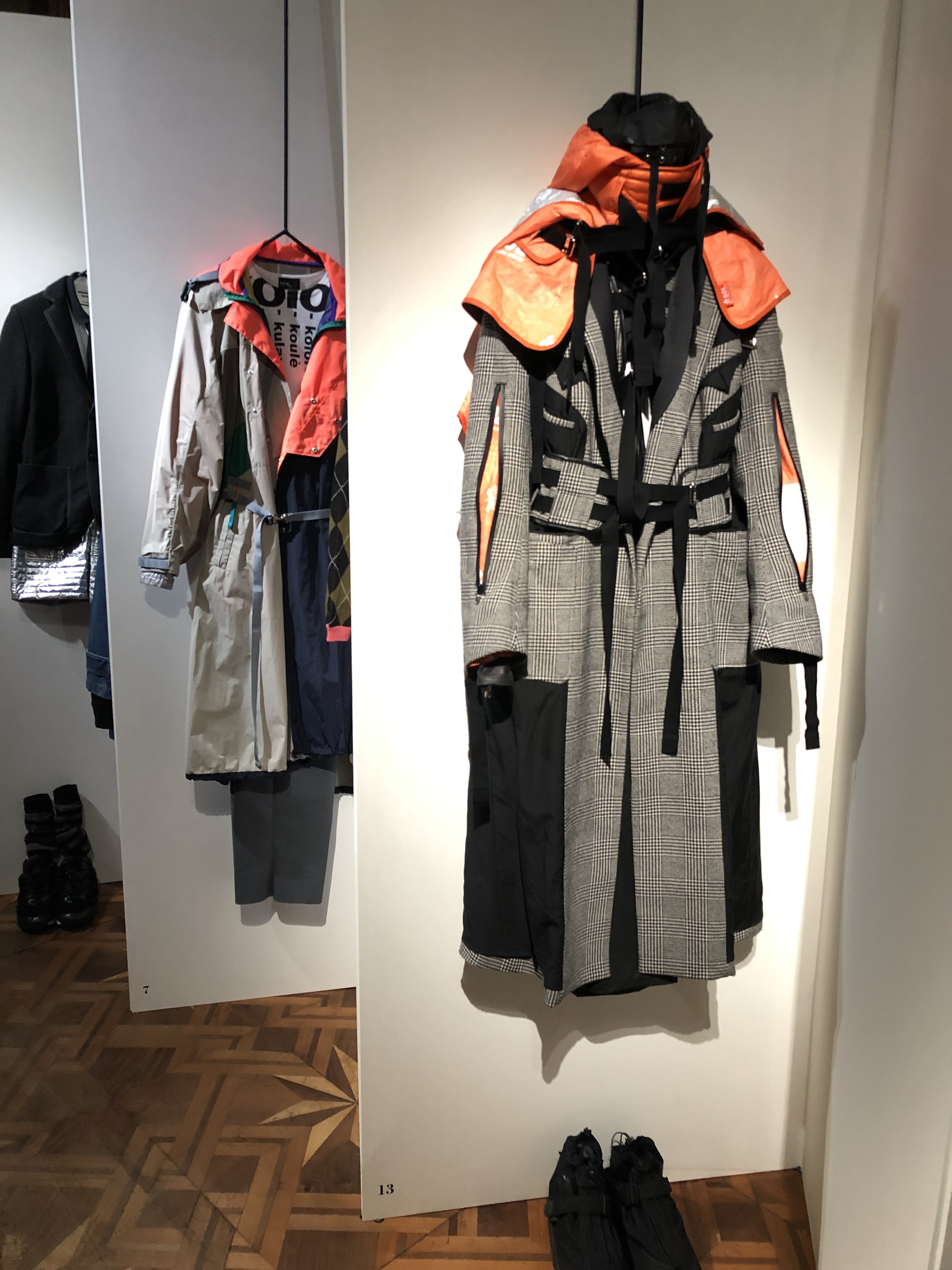
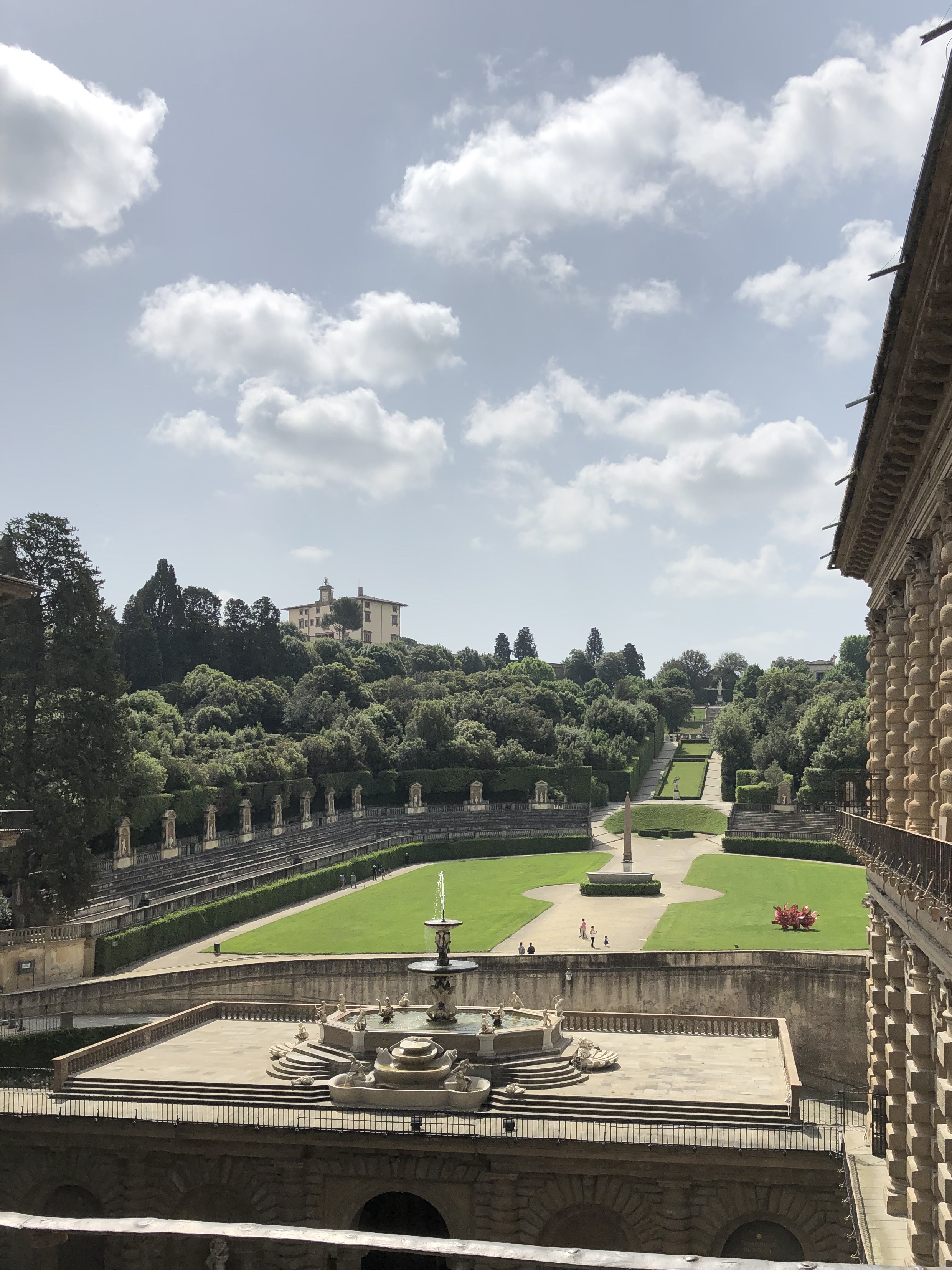
This museum had many floors with a variety of art forms from different eras. There were sculptures, paintings, and clothing. Personally, I enjoy the clothing over the other forms. By Palazzo Pitti was a garden named Bobili Garden. I am planning on visiting here before the end of our stay in Florence. We were able to catch a glimpse of it over a balcony and it was beautiful. Below is the best picture I could take from my view.
HISTORY OF THE TEXTILE INDUSTRY: Florentine Fabrics and Textiles Tour
On Thursday we learned more about materials in Florence and how fashion flourished. At our first stop, we learned that in the 12th century, Florence began selling fabrics and Italy was producing wool for cheap. The raw materials Italy received were from Europe and South Africa. 5,000 km of fabric from Florence was exported around the world for kings and princesses every year.
Next, we stopped at Corto Dei Tentori, also known as dyers street. Italy became famous for its blue and red dyes because they were vibrant and water resistant. Around this time, half the population fell due to the Black Plague. There weren’t enough workers so the industry goes to ruins for a while. Florence brings in workers for their craftsmanship but pays less an hour for more work.
We also visited Via Dei Vagellai, meaning the people who have big baths. This is where both raw and already dyed fabrics are washed.
This tour taught us a lot about the textile industry in Florence and how it all began!
STANDING OUT FROM THE REST: Alternative Fashion Tour
On Wednesday, we were taken on an alternative fashion tour through Florence. We went into one store that sold brands such as Comme Des Garcons, Maison Margiela, and PACCBET. I liked the style of the store we went into. A lot of the pieces had streetwear vibes and were edgier than most other stores in Florence. A few pieces caught my eyes such as this seasons new Comme Des Garcons wallets, a Rassvet Athletic x PACCBET wide collar tee, and a bright red boxy mock neck dress. During this tour, our guide did not share must information with us, so I did some research online. Alternative fashion is described as a style or garment that at some point was not considered mainstream. This kind of fashion is exciting because it sticks out from what others are wearing. Back in Ohio, alternative fashion isn’t as available where I live. I have seen this fashion more online and within designer brands.
7 STEPS: Prato Recycling & Wool Factory
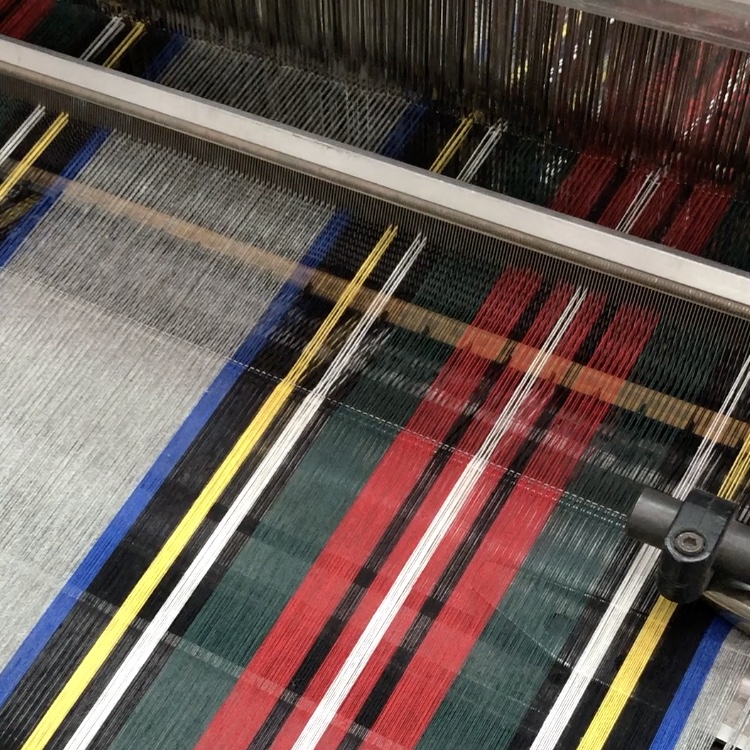
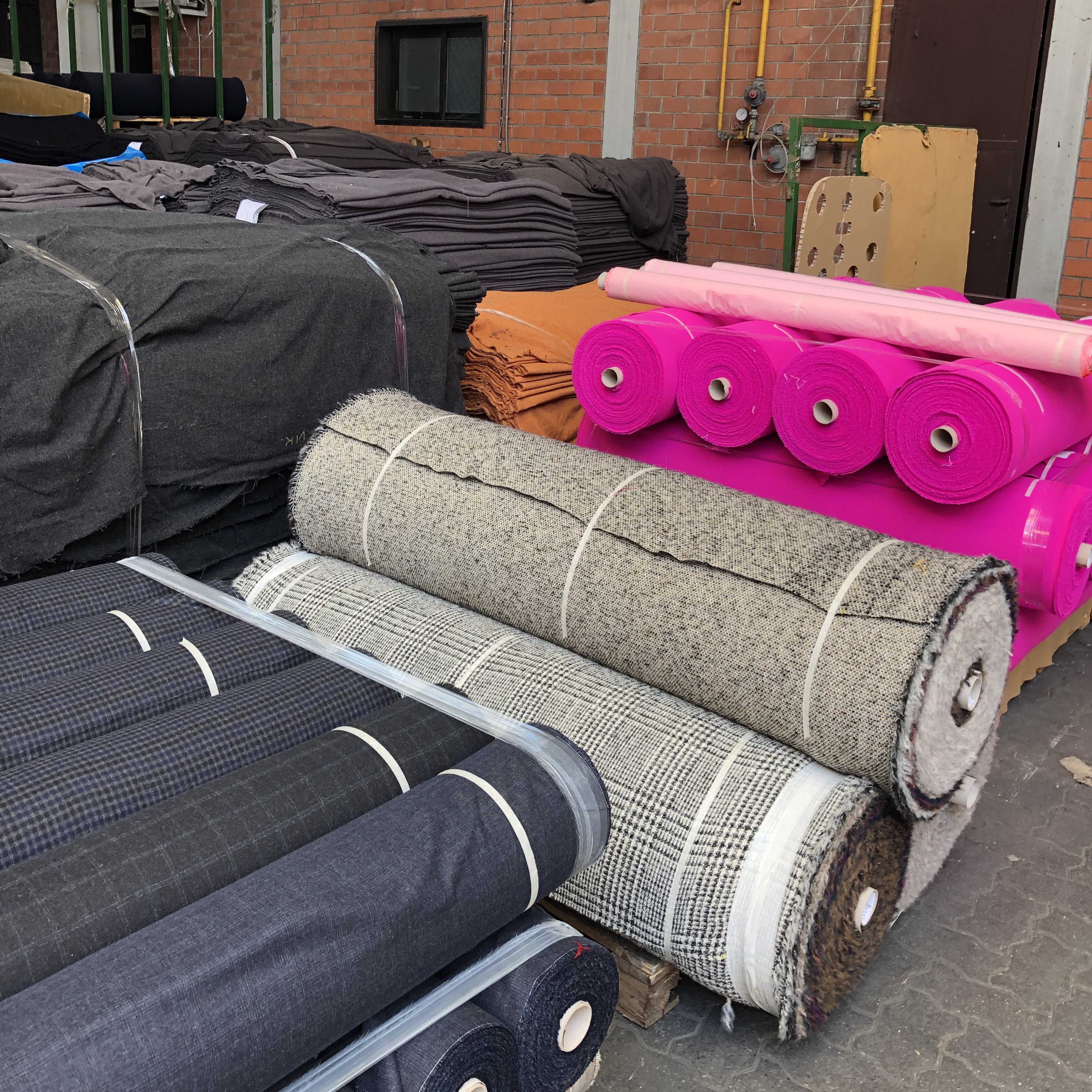
The Prato Daytrip was an amazing experience. Prato is the world capital of regenerated textiles. We learned that Prato is home to one of only six wool recycling factories like itself in the world. We got to see a step by step process of how wool and other recycled materials are sorted, cut, washed, and colored. Each factory was home to only one or two steps in the process. We got to see a grey wool fabric that will be used for Zara’s 2019 winter collection on a coat, which was super cool.
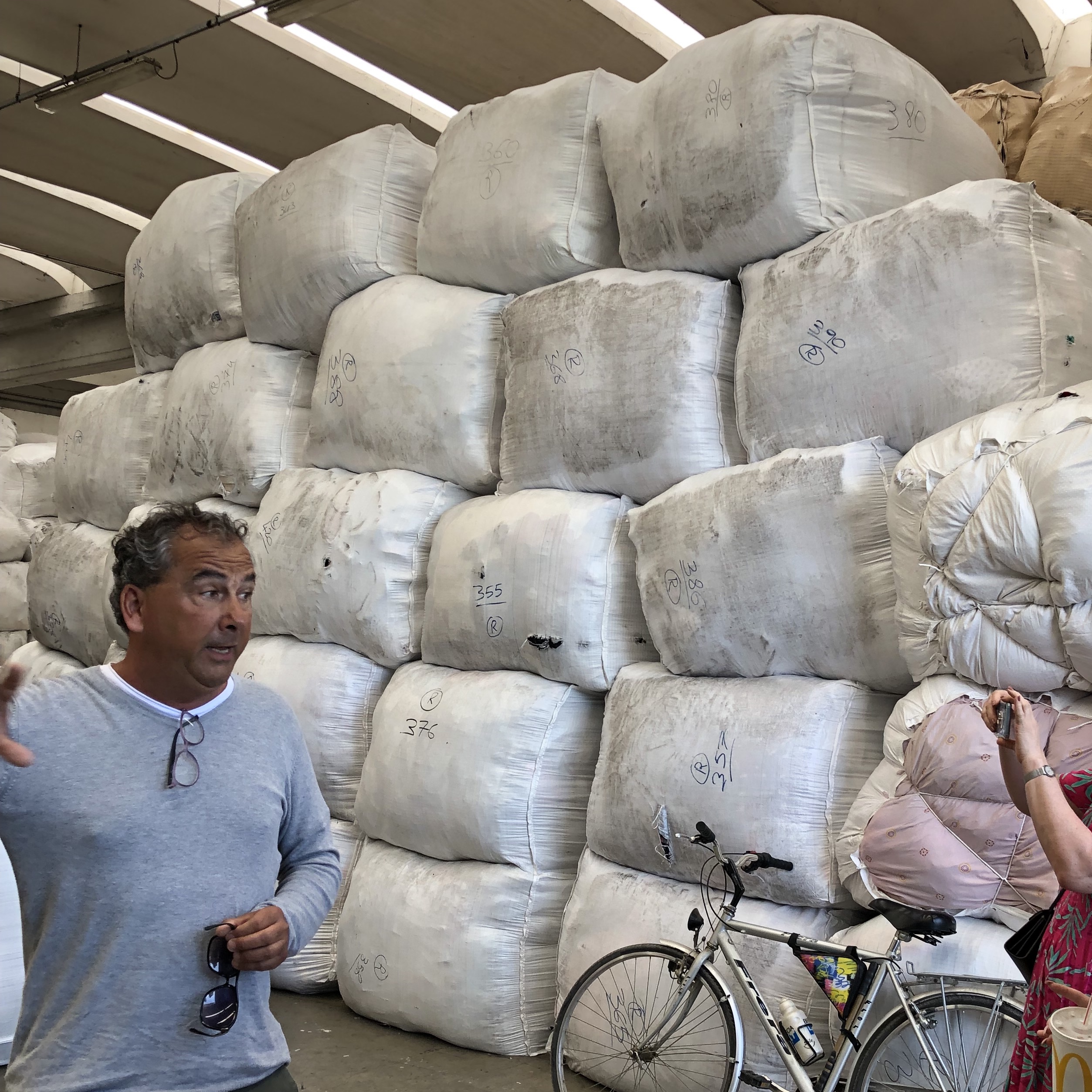
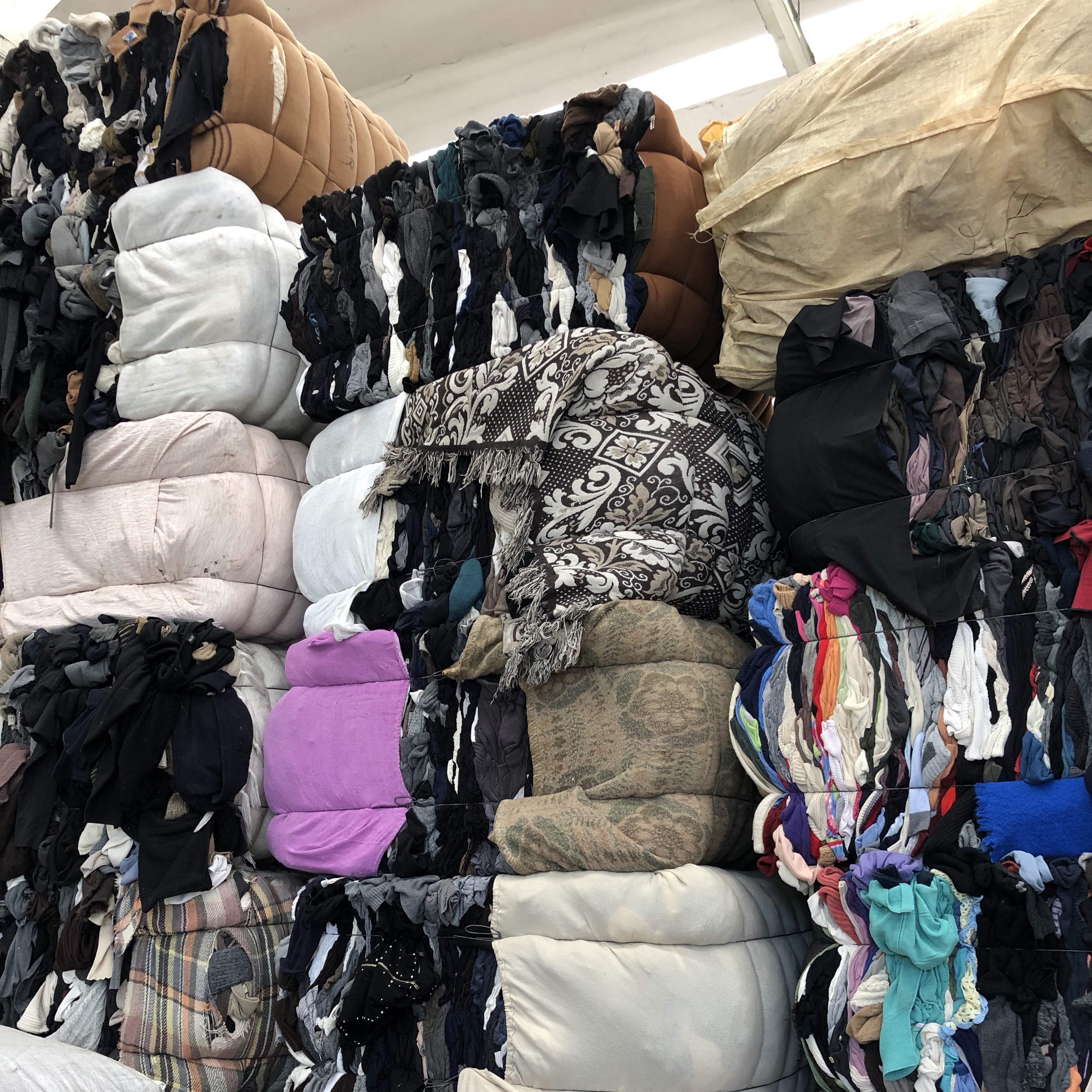
The factories receive large amounts of recycled clothing from around the country.
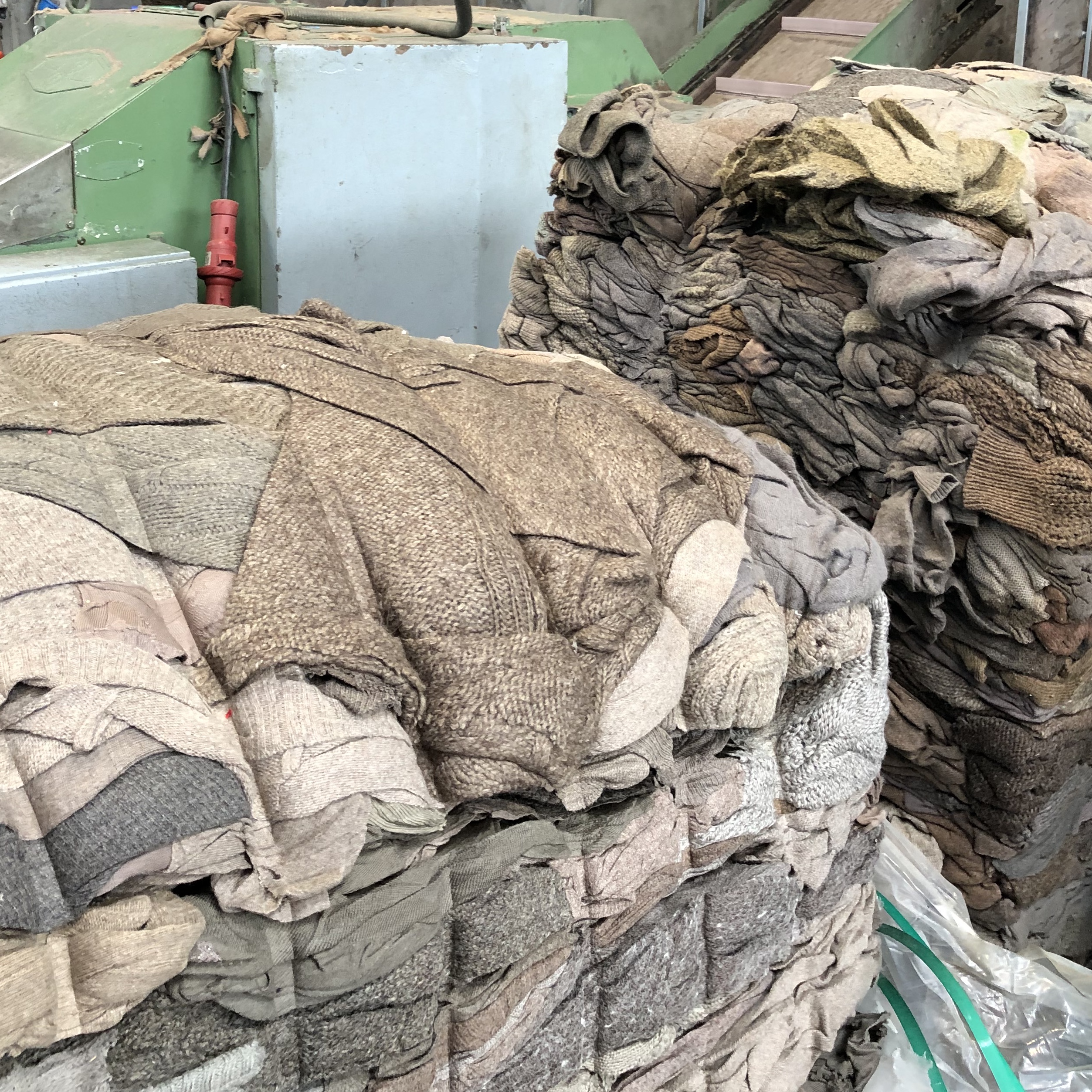
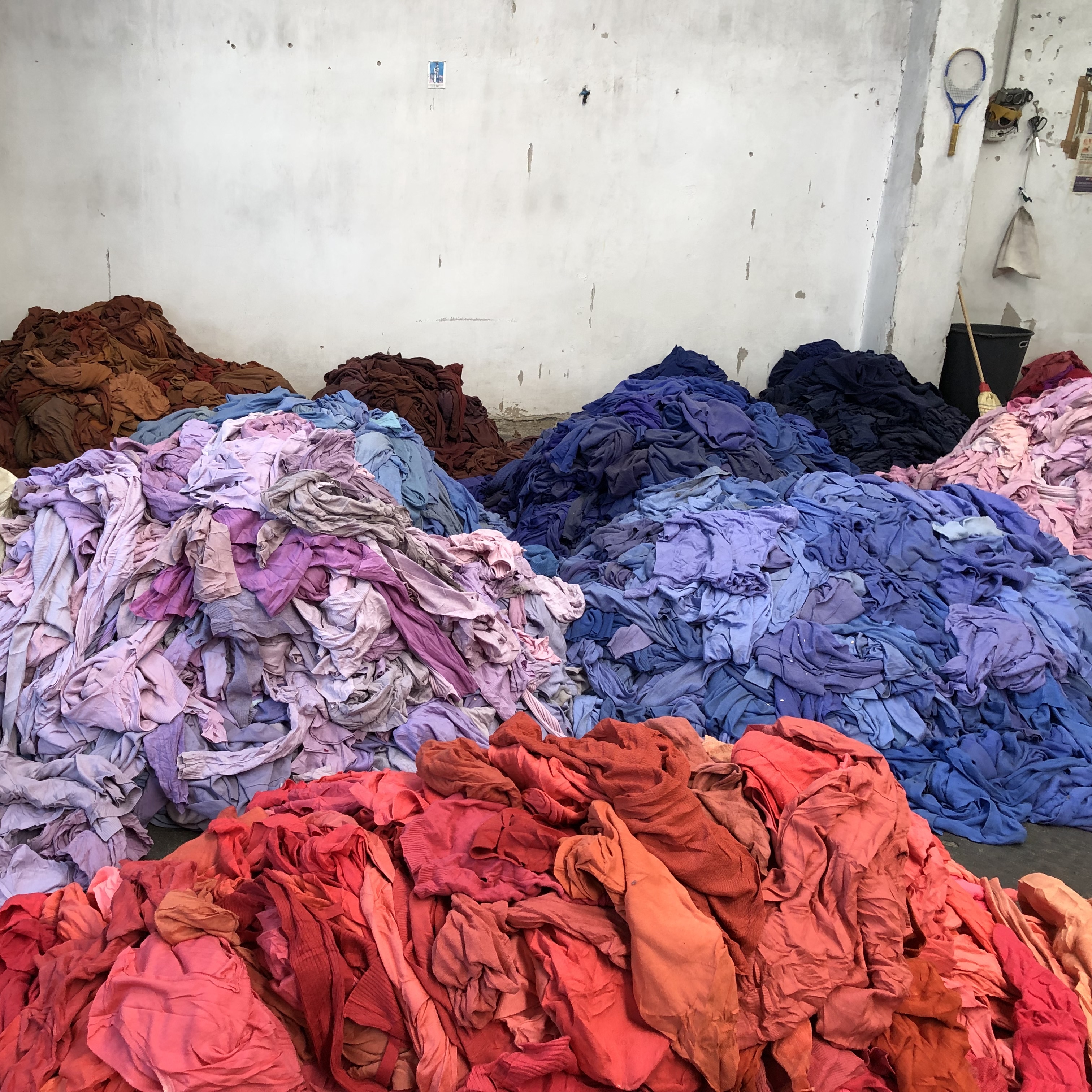
We saw workers sorting through the clothing and separating them first by color and then by different fabrics.
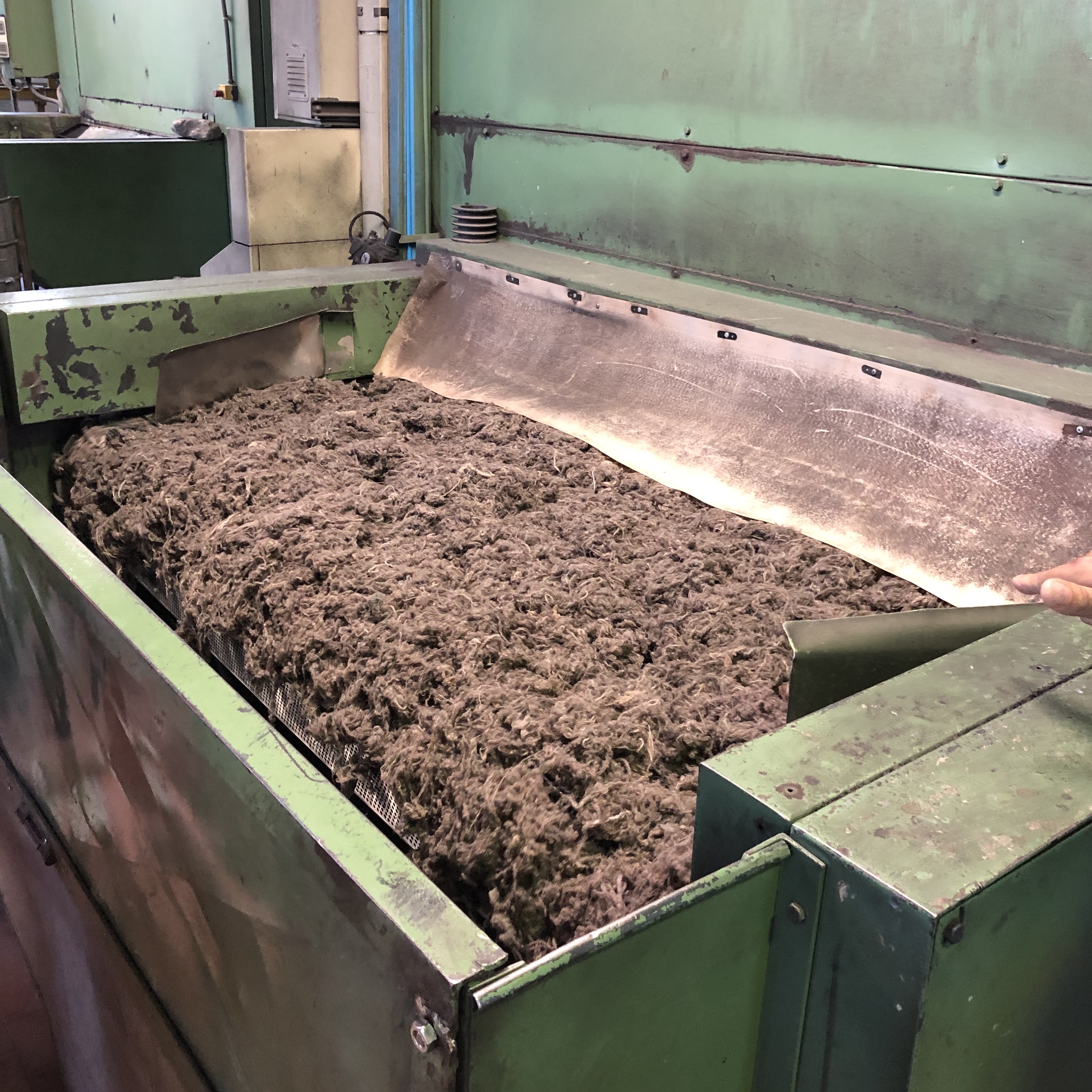
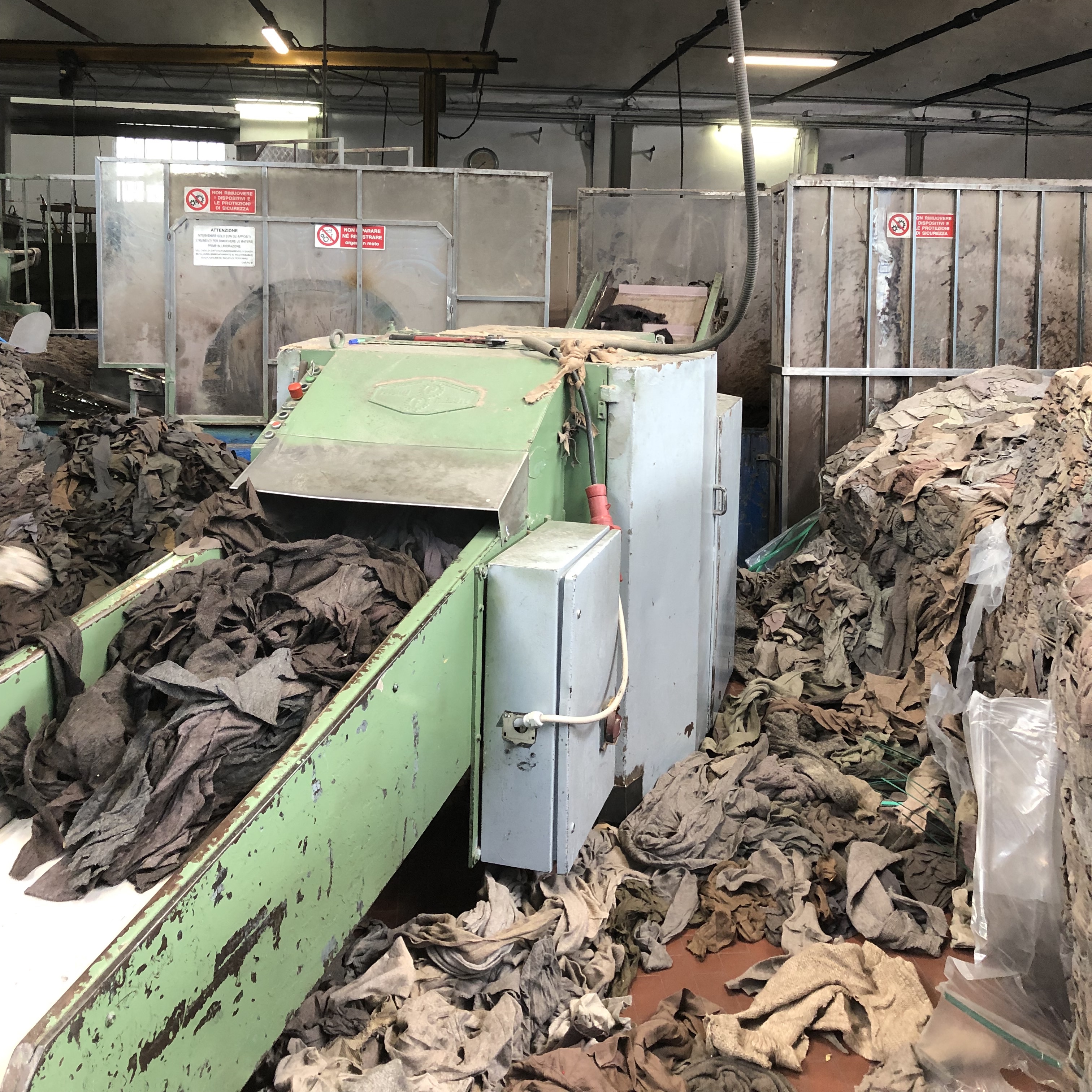
Here, they cut the sorted fabric into small pieces then put the pieces in water to break down the fibers, making it even easier to break down. Then, the fabric will be pulled apart and dried.
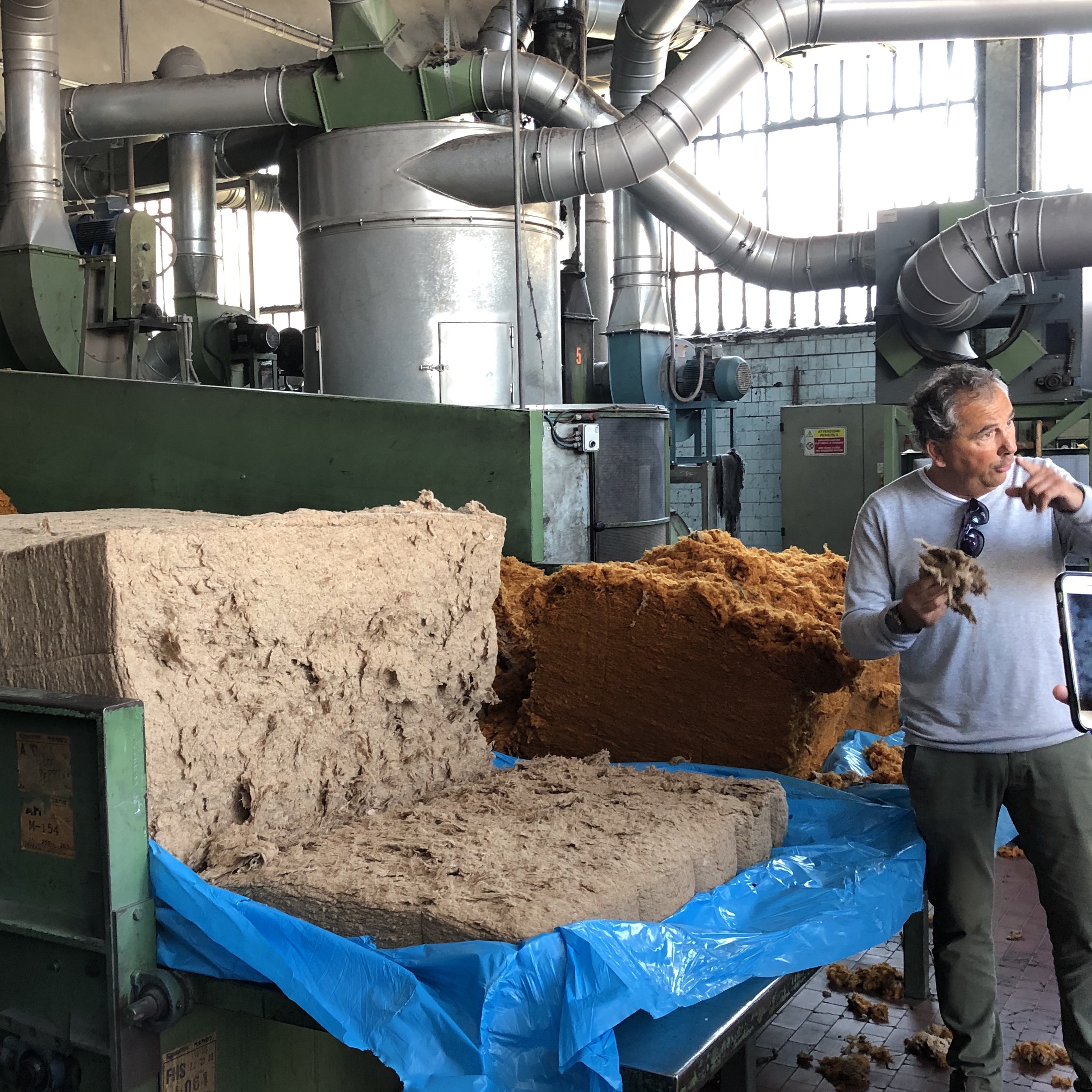
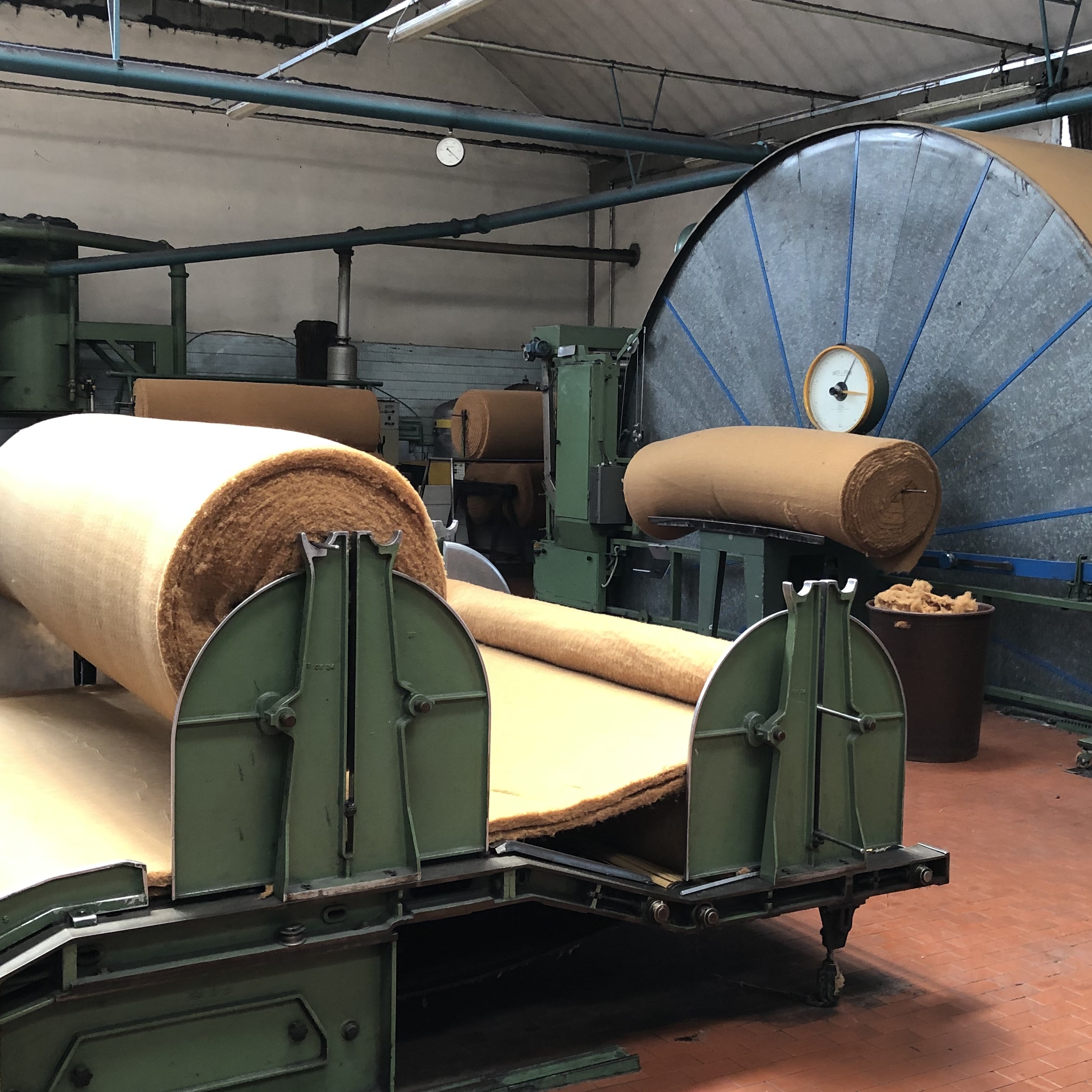
After the wools are scoured and combed, it is finished, spun, and drawn. This part of the process was really cool because we got to see the recycled goods turned into something new and beautiful.
FASHIONABLE FLORENCE: Discovering the Birth of Italian Fashion
Last week, we went on a tour that provided a lot of information about the history of fashion in Florence and how it has impacted the city forever. Marisol brought us on a tour of Florence and showed us where fashion is present throughout the city. We started the tour off at Palazzo Pucci where we learned about the Florentine Italian designer Emilio Pucci. His colorful prints have not changed since he first started the brand Pucci. I respect that is aesthetic and products have remained the same because most brands change their vision as time goes on. Gorginni was known for fashion shows in Florence in the 1950’s. This was the creation of Florence being referred to as a fashion city and proved that Italy has fashion, not just craftsmanship. I do not usually think of Florence first when I am thinking about fashion capitals, but this tour has shown me that Italian designers have created a lasting impact in the city.
 HANNAH IN ITALY